
Your Proprietary Data Shouldn't Train Someone Else's Model.
Fine-tuned open-weights AI, operated on infrastructure you govern. From rented GPUs to right-sized on-prem, one partner across the whole path.
Engineered on the enterprise stack IVI already runs




Your Data is Unique. The Model is Shared.
The value you would put into an AI system is not the model. It is your data: the prompts your teams have refined, the retrieval corpora built from years of internal documents, the fine-tuning datasets that encode how your business actually works, and the process knowledge embedded in how people use the system every day. That is the asymmetry that matters. The model is a shared commodity that thousands of companies call. Your data is the one thing your competitors cannot buy. When crown-jewel data crosses a shared frontier API, even under an enterprise agreement with a zero-retention promise, you have moved the thing that makes you different onto infrastructure you do not control, governed by terms you do not set, operated by a vendor who may one day compete in your market. Contractual protections are necessary. For crown-jewel data specifically, they are not sufficient, because they are a promise about behavior rather than a boundary you can audit.
What Complete Control Actually Means
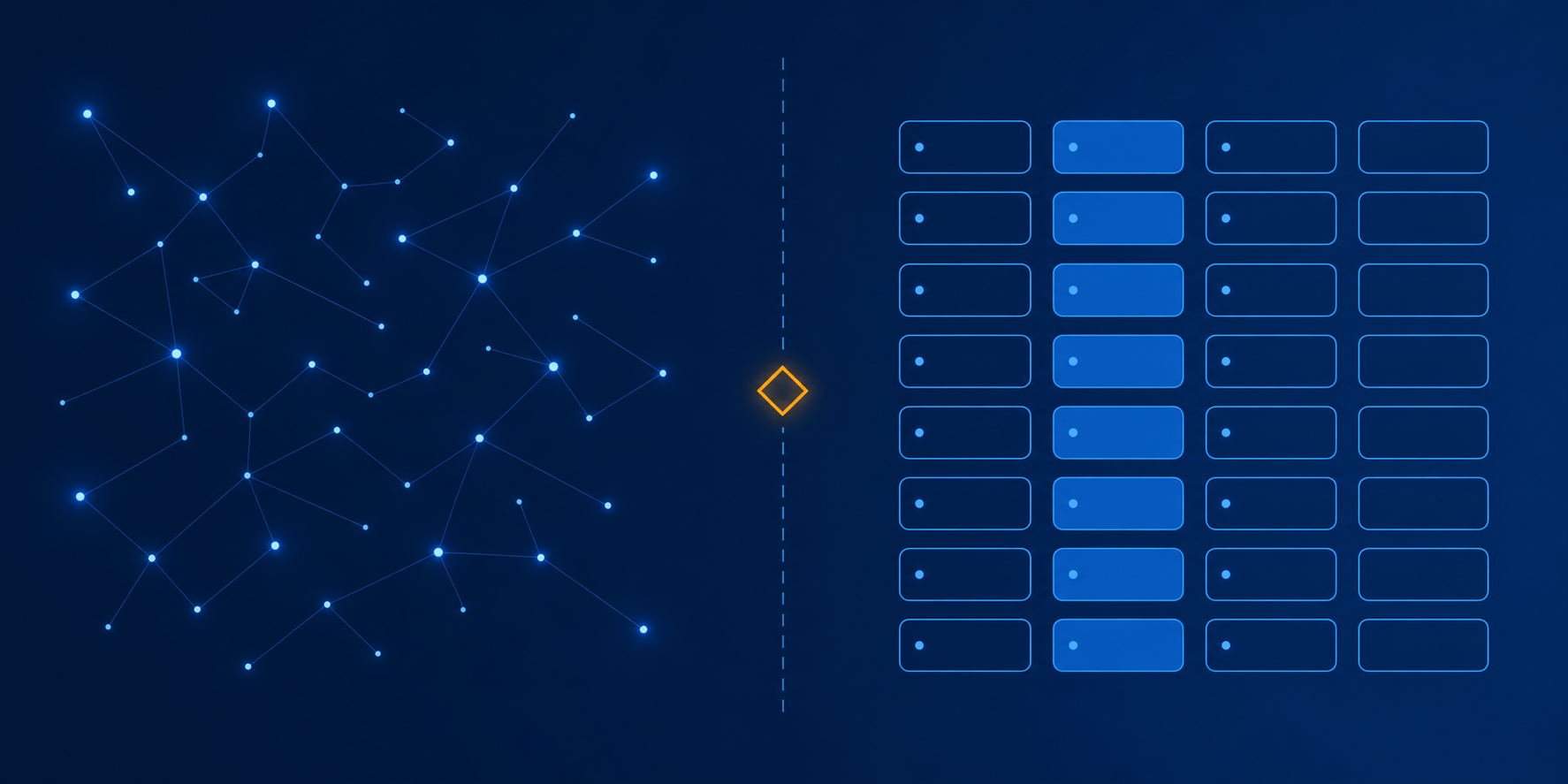
Control is not a slogan, it is a set of specific, checkable properties. Your data never leaves infrastructure you govern. Your model weights are yours to hold, move, and keep. Your fine-tuning pipeline is transparent rather than a black box you feed. And every layer between the raw data and the served response is something you or your auditor can inspect. The matrix below is the honest version of that claim: it maps each dimension of control against what you actually get from a shared frontier API versus Aegis Private AI. Frontier APIs win on convenience and on commodity workloads. On the dimensions that decide whether your differentiation stays yours, the picture is different.
Where frontier APIs still lead
- •General-purpose reasoning on novel tasks
- •Low-volume, low-sensitivity workloads
- •Commodity content generation
- •Experimentation and prototyping
Where private models pull ahead
- ✓Tasks fine-tuned on your proprietary data
- ✓High-volume production workloads
- ✓Data-sovereign or regulated environments
- ✓Predictable, controllable economics
Where Control is Quietly Lost in Managed Offerings
The gap is rarely advertised. It shows up in the operational details. Training pipelines that are opaque, so you cannot see how your data was curated or transformed. Model weights held by the vendor, so the capability you paid to build is not portable. Data transiting platform layers you cannot inspect, so private means contractually private rather than architecturally private. And model versions that change or deprecate on the vendor's schedule, so the behavior you validated in evaluation can shift underneath a production workload without your sign-off. None of these is malicious. All of them move control away from you, and most buyers only notice at the moment they try to change something and find they cannot.
A Security Posture You Can Point an Auditor To
Because the infrastructure is yours to govern, the controls are ones you can evidence rather than take on faith. Dedicated, non-multi-tenant compute at every stage. Encryption at rest and in transit, with keys in your own key management. Private network paths rather than public API endpoints. US-only data residency. Access controls and audit logging you own and can produce on demand. Because IVI manages the infrastructure while you own and control all data, and the service itself does not process PII, healthcare and financial services workloads are supported, with your team holding the data and the controls throughout. For organizations whose requirement is sovereignty over proprietary data, the same posture is available now. The Aegis AI Gateway sits in front of every request as an additional control point, routing each call to your private cluster or a public model by policy, applying PII and PHI inspection inline, and giving your security team a single audit view of every prompt and destination.
See How the Build Actually Works
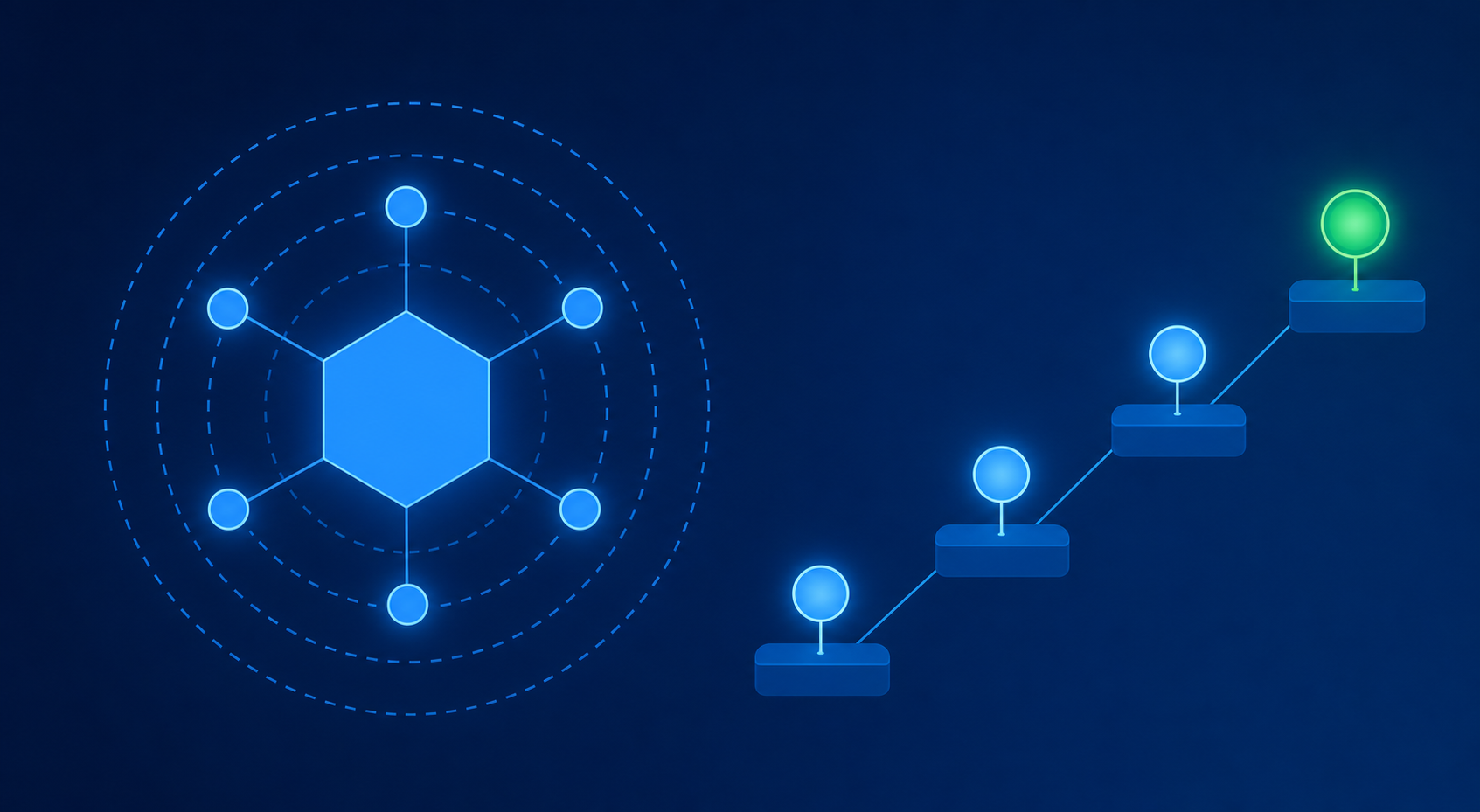
Governance is the why. The framework page is the how: a staged path from rented GPUs to an owned cluster, with the same operator across the whole journey.
See the Framework →The Real Test of Control is Whether You Can Leave
Every vendor will tell you that you are in control. There is one question that settles it. Can you take your model weights and your fine-tuning pipeline and walk away? With Aegis Private AI the answer is yes, and it is deliberate. You own the weights and the pipeline at every stage, from rented GPUs in the first weeks to an owned on-prem cluster later. IVI operates the platform, but the capability belongs to you. A service designed so you can leave is a service that has to keep earning the relationship. That is the opposite of lock-in, and the clearest signal that the control on offer is real. The building blocks below are what that looks like in practice.
Dedicated GPU Compute
Never shared, never multi-tenant. Isolated from provisioning through steady state.
Customer-Managed Keys
Encryption keys in your KMS. Data can remain in your object storage. Your governance boundary.
Full Weight Custody
You own model weights and the pipeline. Take them with you if you leave.
US-Only Residency
Compute and data stay in US regions. Private network paths via VPN or Direct Connect.
How the Engagement Works
Four stages, one team, from first conversation to steady-state operations. No handoff between the people who scoped it and the people who run it.
-
01
Assess
Readiness assessment. Workload triage. Data sensitivity scoring. Sizing framework.
-
02
Deploy
Environment provisioning at the rented GPU provider. Base model selection. Initial fine-tune. Production cutover.
-
03
Baseline
Six months of live workload telemetry via Aegis PM. Utilization curves, cost per workload, growth trajectory.
-
04
Migrate
On-prem cluster design against baseline. Colocation buildout. Controlled workload cutover. No production disruption.
Is This the Right Fit?
Private AI isn't the right call for every team, and we'd rather tell you that in the first conversation than the sixth month. Here's how we think about fit.
- ✓You spend $15K+ per month on frontier APIs touching proprietary data
- ✓Your differentiation lives in your data, processes, or domain knowledge
- ✓Executive alignment on private AI as a strategic direction
- ✓You don't want to hire an ML platform team to get there
- −API spend under $8K per month with no sovereignty driver
- −Exploring, not committing to production AI
- −Workloads are commodity and well-served by APIs
Continue reading · The private AI series
Is private AI the right move for you?
A short, honest assessment that maps your spend and data to the right entry point, or tells you it is not a fit yet.
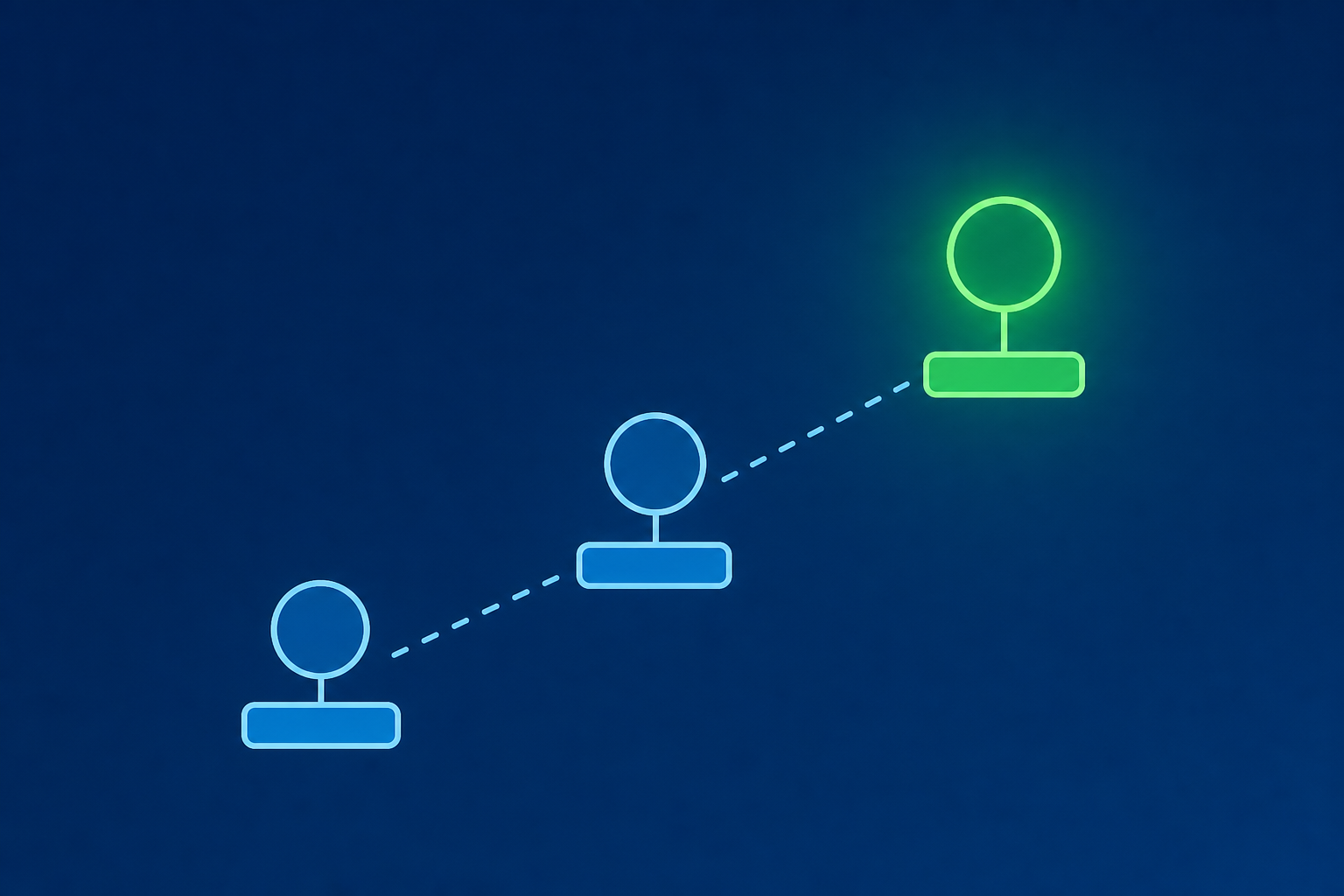
The right sequence for building private AI infrastructure
Rent, baseline, own: size for evidence, not estimates.
What GPU compute actually costs
Hyperscalers, specialty providers, and API spend, compared honestly.
Is Aegis Private AI the Right Fit For You?
A 45-minute conversation with an IVI solution architect. No slideware, just informative conversation.
Get a Readiness Assessment →Last reviewed July 07, 2026 · Next review September 30, 2026 · Content owner IVI